
Most of the people who are cautious about improving the quality of their health will think of taking Salmon as part of their healthy diet.


But why Salmon? Let's me share with you
Salmon is one of the most nutritious types of fish that offers several health benefits. Rich in omega-3 fatty acids, vitamin B12, and other essential nutrients, salmon is wonderful for hair and skin health. The great taste and excellent health benefits of salmon make it one of the most loved fish in the world.
Salmon is a popular oily fish that contains good fats. This makes it good for heart health and cholesterol. A good amount of protein, vitamins, minerals, and omega-3 and -6 fatty acid content contributes to overall health.
Considered a superfood, the nutrition facts of salmon include antioxidant elements like selenium and other minerals like phosphorus, zinc, and potassium, as well as the vitamin B group?riboflavin, niacin, thiamin, B6, folate, and B12. Therefore, salmon aids in good health, as it makes up for most of the mineral and vitamin deficiencies in our body if we make it a part of our diet.
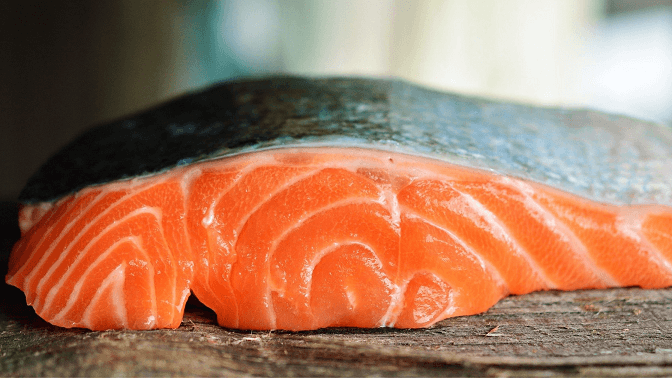
10 Health Benefits of Salmon
Is salmon healthy? It is a fair question given that salmon is an oily fish with a rich amount of fats. However, this fat is completely healthy and is good for the heart and skin.
Salmon is an excellent food source for the heart and brain. Medical studies have found that taking 0.45 to 4.5 grams of omega-3 fatty acids can significantly improve heart function, lower blood pressure, and reduce inflammation. The fish also contributes to cognitive health due to the presence of DHA?a type of omega-3 fatty acid.
It is worthy to note that wild salmon contains more nutritive value than the farmed ones. The farmed salmon are raised on an artificial pellet-based diet, rather than their natural diet consisting of crustaceans, flies, and smaller fish which they would otherwise consume in the wild. As a result, eating salmon from a hatchery will not benefit you as much as consuming the wild-caught salmon.
Here are the 11 health benefits of salmon.
1. Improves cardiovascular health
Salmon is a rich source of omega-3 fatty acids (EPA and DHA) and potassium. The omega-3 and -6 fatty acids combined with potassium greatly contribute to heart health, as they reduce artery inflammation, lower cholesterol levels, and maintain blood pressure levels. Potassium helps to control blood pressure and prevent excess fluid retention. Thus, regular salmon intake can significantly reduce heart-related medical conditions, including heart attacks, strokes, arrhythmia, high blood pressure, and high triglycerides.
2. Repairs damaged tissues
Salmon is a good source of protein. In addition to essential nutrients, our body requires protein as it is the building block for bones, muscles, cartilage, skin, and blood. It helps the body to build and repair tissues after an injury, protects bone health, and maintains muscle mass during weight loss. It also maintains a healthy metabolic rate and improves bone density and strength.
3. Excellent vitamin B complex source
Salmon is rich in the entire vitamin B group?B3, B5, B7, B6, B9, B12, and so on. Vitamin B complex plays a pivotal role in maintaining a healthy balance of all bodily functions. The B group of vitamins work co-dependently to turn consumed food into energy, create and repair DNA, and reduce inflammation. Among all the B vitamins, salmon is the richest in vitamin B3 (niacin) and vitamin B6. Vitamin B3 helps to lower cholesterol levels, whereas vitamin B6 improves brain health. Salmon also has a good amount of B12 which is vital for the functioning of the brain and nervous system, hormonal balance, and several metabolic functions.

4. Assists in proper thyroid function
One of the important functions of selenium is to maintain proper thyroid function. A decent portion of salmon can provide a considerable amount of selenium. This essential trace mineral protects the thyroid gland from oxidative damage caused during the synthesis of the thyroid hormone. The cells of the thyroid gland produce hydrogen peroxide which is used to make the thyroid hormone.
5. Promotes brain health
The high levels of DHA work in association with vitamin A, vitamin D, and selenium in salmon to boost and improve brain function. In fact, omega-3 fatty acid supplements are used to treat psychological disorders like Alzheimer?s and Parkinson?s disease. Eating salmon during pregnancy can assist with improved fetal brain development and health.
6. Fights joint inflammation
Again the omega-3 fatty acids in salmon help to reduce various inflammatory joint conditions. In other words, salmon helps promote bone health by boosting flexibility.
7. Antioxidant properties
The pink color of the salmon comes from the presence of astaxanthin, a member of the carotenoid family of antioxidants. Unlike other carotenes and carotenoids, astaxanthin doesn?t get converted to retinoids in the human body. It is an antioxidant by nature and is good to prevent cardiovascular, immune, inflammatory, and neurodegenerative diseases.
8. Enhances eyesight
Incredibly rich in omega-3 fatty acids and vitamin A, salmon is a wonderful food source for the eyes. Regular salmon consumption could help to cure dry-eye syndrome and age-related macular degeneration (AMD) symptoms.
9. Facilitates healthy skin
Salmon benefits the skin owing to the presence of fatty acids and vitamin A. The essential fatty acids present in salmon encourages your skin to hold water, making it smooth, supple, and youthful.
10. Weight loss-friendly
Salmon may benefit from weight loss as well. The oily fish is protein-rich with low-calorie content. Therefore, it is absolutely healthy and advisable to include salmon in your diet plan, as it will not only provide you with huge amounts of protein but will also compensate for various vitamin and mineral deficiencies in the body. The fat content in salmon is mostly good and doesn?t make you gain weight.
Besides the above, it may even able to cure cancer disease. Based on the impressive omega-3 fatty acid content, salmon is considered a superfood. Medically, it is proven that omega-3 fatty acids can have a profound effect on cancer cells and kill tumors. Certain cancer conditions like skin cancer, prostate cancer, colorectal cancer, liver cancer, UVB-induced skin cancer, and brain tumors may be treated and prevented with omega-3 fatty acids.
Nutritional facts of Wild, Cooked Salmon
As we all now know, salmon is a powerhouse of proteins, vitamins, and minerals. These are the nutrition contents present in a wild salmon that is cooked and keeps our body warm.
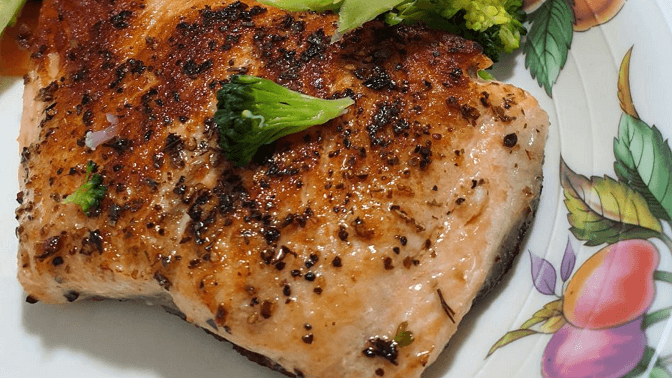
Frequently Asked Questions?
Can You Eat Salmon Skin?
This fish is a total package of nutrition. The skin of salmon is edible and is as nutritious as the flesh of the fish. As a matter of fact, salmon skin is richer in omega-3 fatty acid content than the flesh of the fish. It also contains a good amount of phosphorus and potassium.
The flesh of salmon lacks vitamin D. But salmon skin, and particularly the bones, are loaded with vitamin D. Therefore, consuming salmon skin helps in the absorption of calcium, and consequently promotes healthy bone development.
Salmon skin doesn?t have any side effects. Eating salmon skin will only increase the level of omega-3 fatty acid supply from the fish. The more omega-3 fatty acids are added to our diet, the better it is for our health. This is because it boosts the anti-inflammatory abilities of the body, and improves brain health by repairing brain cell damage.
Is Salmon Fattening?
Contrary to popular belief, salmon is not fattening. As a matter of fact, salmon actually aids in weight loss. Health experts recommend to include a good amount of vegetables, lean protein like fish and chicken, and fruits in a weight-loss diet plan. Salmon contains a good amount of lean protein, which works in favor of weight loss. This is because proteins tend to keep you feeling full for a longer period, keeping the blood sugar level balanced. As a result, it keeps you satisfied, thus reducing your food intake throughout the day. you can safely eat two portions of salmon in a week to get the required amount of nutrients.
According to the studies published by the International Journal of Obesity and The American Journal of Clinical Nutrition (May 2007), a fish (lean protein) diet with regular exercise will provide you with improved and more rapid weight loss results than just working out in the gym. Furthermore, salmon is low in calorie content. A serving of 198 grams of salmon will provide 14% daily value (DV) of calories. A three-ounce serving of coho or sockeye salmon has only 118 and 144 calories, respectively.
Is it good to eat Salmon every day?
Yes, you'll feel more energetic, improve your cholesterol levels, improve your immune system, keep your bones in top shape, improve your skin's texture, as well as you might even live longer and happier.